El Barómetro Starfish 2026 reúne a 29 expertos de 14 países para ofrecer una visión integrada del sistema Océano–Humanidad. Este comité científico internacional ampliado responde a la necesidad de enfoques interdisciplinarios para comprender mejor los cambios en el océano y sus implicaciones sociétales.
Respaldado por su primera publicación en la Conferencia de las Naciones Unidas sobre los Océanos (UNOC3) en 2025, el Barómetro Starfish se consolida este año como una herramienta científica duradera, en la intersección entre la ciencia oceánica y la sociedad.
El liderazgo del proyecto
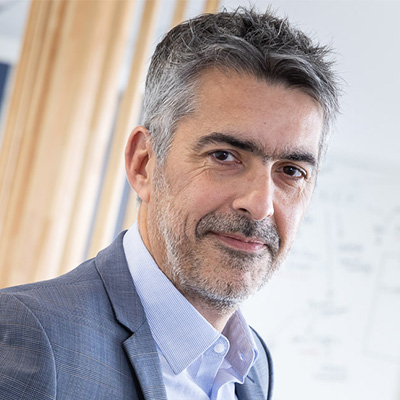
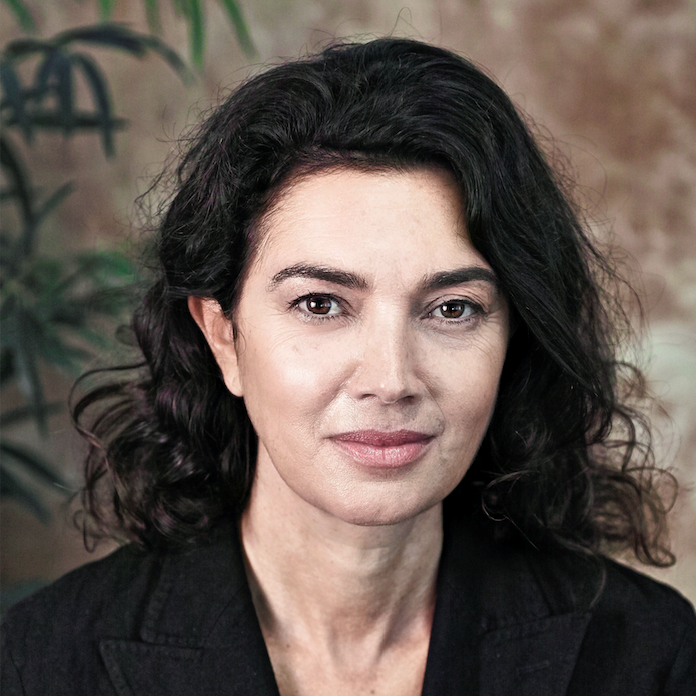
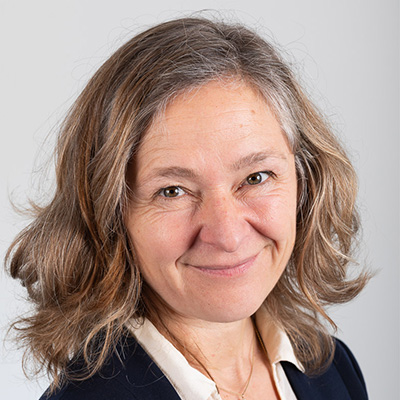
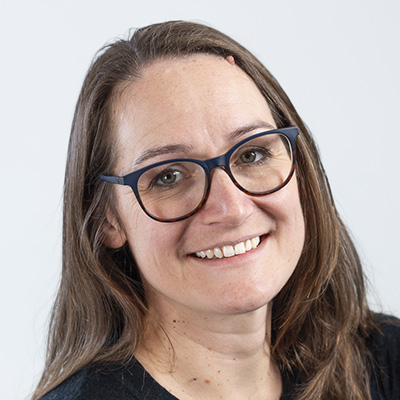
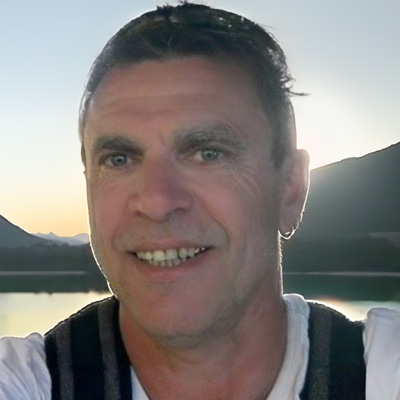
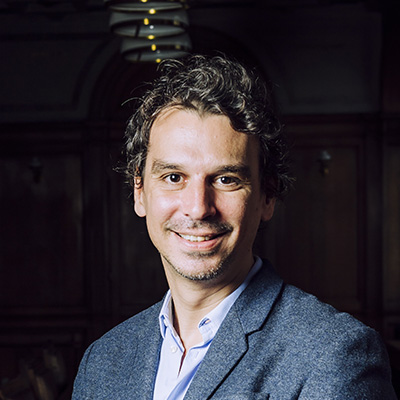
La edición de 2026 se rige por un modelo de gobernanza dual que combina la excelencia científica y la ejecución operativa: la Dra. Marina Lévy (CNRS) preside el Comité Científico, junto con la copresidenta, la Dra. Karina von Schuckmann (Mercator Ocean International), mientras que Pierre Bahurel (Director General de Mercator Ocean International) supervisa la implementación operativa.
Pierre Bahurel, Francia - Mercator Ocean International
Director General de Mercator Ocean, el Centro Europeo para el Monitoreo y la Pronóstico Oceánico Global. Su labor se centra en el desarrollo de la oceanografía digital para la sostenibilidad, principalmente a través del Programa Marino Copernicus de la Unión Europea. Bajo su liderazgo, Mercator Ocean se está transformando en una organización intergubernamental, desarrollando gemelos digitales del océano y movilizando a la comunidad internacional de pronóstico oceánico.
Marina Lévy, Francia - Sorbonne Université, LOCEAN-IPSL, CNRS/IRD/MNHN
Marina Lévy es la directora del Instituto del Océano de la Alianza Universidad de la Sorbona. Obtuvo su doctorado en Oceanografía en la Universidad de la Sorbona en 1996 y es investigadora activa en el laboratorio de océano y clima LOCEAN-IPSL en París, Francia. Su trabajo se centra en las interacciones entre las corrientes oceánicas turbulentas y la biología marina, con el objetivo de mejorar las proyecciones de los modelos sobre los factores de estrés oceánicos en respuesta al cambio climático. Está activamente comprometida con la sensibilización del público y el diálogo con el sector privado sobre los desafíos relacionados con el océano.
Karina von Schuckmann, Francia - Mercator Ocean International
Karina von Schuckmann es asesora principal en la dirección científica de Mercator Ocean International. Su interés de investigación radica en comprender el papel del océano en el clima de la Tierra y en el balance energético terrestre. Es directora del Informe sobre el Estado del Océano de Copernicus, autora del AR7 del IPCC, miembro del Grupo de Expertos para la 4.ª Evaluación del Océano Mundial, miembro de la Academia Europea de Ciencias, galardonada por la Academia Francesa de Ciencias en 2023 y galardonada con la Cátedra de Excelencia Petersen en 2025.
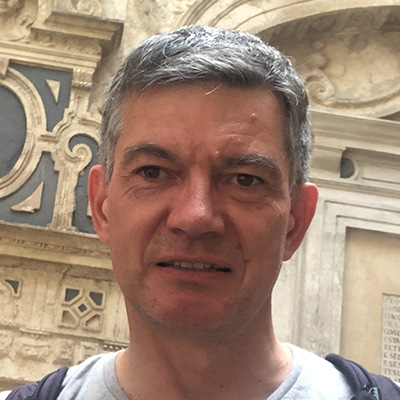
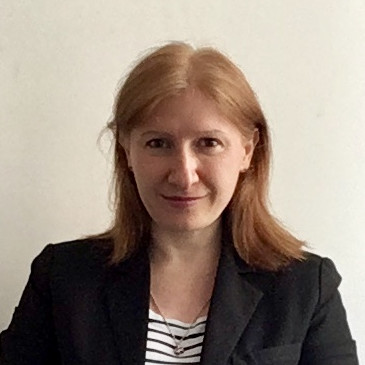
Mahé Butel, Francia - Coordinadora
Mahé Butel es la coordinadora del BarómetroStarfish. Su trabajo e intereses se centran en facilitar el diálogo y la colaboración transdisciplinarios para fortalecer la asimilación del conocimiento y respaldar enfoques basados en la evidencia en materia de sostenibilidad, salud oceánica y resiliencia.
Los autores
El Barómetro Starfish 2026 ha sido desarrollado por un equipo multidisciplinario de científicos que aportan su experiencia en los campos de la oceanografía, la ciencia climática, la ecología y las ciencias sociales. Su labor sintetiza las investigaciones científicas más recientes, así como las principales evaluaciones internacionales, con el fin de ofrecer una comprensión coherente y fundamentada en la ciencia sobre los cambios oceánicos y sus interacciones con los sistemas humanos.
Los autores pueden aparecer en varias ramas — su biografía se encuentra bajo su rama principal, con el detalle de sus contribuciones bajo cada rama.
Thomas L. Frölicher, Suiza - Líder de la Rama del Estado Oceánico Thomas Frölicher es profesor en la Universidad de Berna, donde dirige el Grupo de Modelización Oceánica y se desempeña como Subdirector de la División de Física del Clima y del Medio Ambiente. Su investigación se centra en las interacciones océano-clima-carbono, especialmente en los eventos extremos y los puntos de inflexión en el sistema marino. Es Autor Coordinador Principal del Capítulo 8 sobre puntos de inflexión en el próximo informe del IPCC AR7 WGI.
Janine Adams, Sudáfrica
La Prof. Adams es profesora distinguida en la Universidad Nelson Mandela, Subdirectora del Instituto de Investigación Costera y Marina y titular de la Cátedra de Investigación del Departamento de Ciencia e Innovación/Fundación Nacional de Investigación (SARChI) sobre Ecosistemas de Aguas Someras. Su investigación actual se centra en la conservación y gestión de los estuarios.
Bruno Blanke, Francia
El Dr. Bruno Blanke, director de investigación del CNRS en LOPS en Brest, está especializado en la circulación oceánica y desarrolló la herramienta diagnóstica ARIANE. Anteriormente Subdirector Científico del dominio Océano-Atmósfera en CNRS-INSU, actualmente asiste al Coordinador Científico Principal del CNRS para la Universidad de la Sorbona y codirige el Programa Nacional Prioritario de Investigación “Océano y Clima”.
Lijing Cheng, China
El Dr. Lijing Cheng obtuvo su doctorado en el Instituto de Física Atmosférica (IAP) de la Academia China de Ciencias (CAS) en 2014. Actualmente es profesor en el Instituto de Física Atmosférica de la Academia China de Ciencias. Su trabajo incluye el examen de sesgos instrumentales en las observaciones de temperatura oceánica, el estudio de los cambios históricos en el contenido de calor oceánico, el balance energético de la Tierra y el ciclo del agua.
Pierre Friedlingstein, Francia/Reino Unido
El profesor Pierre Friedlingstein es miembro del Comité Científico Conjunto del WCRP. Pierre es miembro de la Royal Society, ocupa una cátedra en Modelización Matemática del Sistema Climático en la Universidad de Exeter y también es Director de Investigación en el Centre National de la Recherche Scientifique, Francia. Sus intereses de investigación se sitúan en el campo de los ciclos biogeoquímicos globales y su papel en el sistema climático.
Yunne-Jai Shin, Francia
Investigadora sénior en el IRD, Yunne Shin es experta en modelización avanzada de ecosistemas marinos para apoyar la toma de decisiones. También desarrolla enfoques transdisciplinarios, incluida la coconstrucción participativa de escenarios y modelos, así como la cocreación entre arte y ciencia.
Aimée Slangen, Países Bajos
La Dra. Aimée Slangen es líder de investigación en el Instituto Real Neerlandés para la Investigación del Mar (NIOZ) y Senior Fellow en la Universidad de Utrecht. Está especializada en el cambio regional del nivel del mar en el pasado reciente y en el futuro, centrándose en los distintos factores que contribuyen al cambio del nivel del mar y en cómo responden al cambio climático.
Patrick Vincent, Francia
El Dr. Patrick Vincent es un reconocido experto en la observación oceánica desde el espacio, ámbito al que dedicó su labor antes de dirigir el IFREMER como Director General Adjunto. Desde 1995, como miembro del equipo fundador de Mercator Ocean, participó activamente en el desarrollo de la oceanografía operativa.
William Cheung, Canadá - Líder de la Rama de Presiones Humanas
El Dr. William Cheung es profesor y director del Instituto para los Océanos y la Pesca de la Universidad de Columbia Británica. Estudia la relación entre alimentación, clima y biodiversidad en el océano y es un líder internacional en el desarrollo y uso de escenarios y modelos para explorar opciones de solución y vías hacia futuros oceánicos deseables y sostenibles.
Diva Amon, Trinidad y Tobago
Diva Amon es una bióloga marina caribeña centrada en los hábitats y animales poco conocidos del océano profundo y en cómo nuestras acciones los están afectando. Es directora de la ONG sin fines de lucro SpeSeas, en Trinidad y Tobago. Trabaja en la intersección entre ciencia, políticas públicas y comunicación, y desea promover una mayor protección del océano profundo, así como la participación de un grupo más amplio de la humanidad en este esfuerzo.
Jorge Cortés, Costa Rica
Jorge Cortés es investigador en el Centro de Investigación en Ciencias del Mar y Limnología (CIMAR) y Profesor Emérito de la Escuela de Biología de la Universidad de Costa Rica. Tiene un doctorado en biología marina de la Universidad de Miami, Florida. Cuenta con más de 40 años de experiencia en el estudio de la ecología de los principales ecosistemas marino-costeros tropicales: arrecifes de coral, pastos marinos y manglares.
Jean-Pierre Gattuso, Francia
Jean-Pierre Gattuso es científico emérito del CNRS en la Universidad de la Sorbona y en el Instituto para el Desarrollo Sostenible y las Relaciones Internacionales. Estudia los efectos del cambio global en los ecosistemas marinos y sus servicios. También investiga soluciones basadas en el océano para mitigar y adaptarse al cambio climático. Coeditó el primer libro sobre acidificación oceánica y contribuyó a varios productos del IPCC (AR5 y AR6).
Stefan Gelcich, Chile
Stefan Gelcich es biólogo marino y profesor asistente en la Pontificia Universidad Católica de Chile. Sus estudios se centran principalmente en la ecología submareal, las interacciones entre sistemas ecológicos y sociales en las zonas costeras, la conservación y gestión sostenible de los recursos marinos, y el análisis de políticas públicas destinadas a gestionar los recursos naturales.
Audrey Hasson, Francia
Audrey Hasson es directora ejecutiva de GEO Blue Planet, una iniciativa alojada por Mercator Ocean International y financiada por la Unión Europea para promover el uso de observaciones oceánicas en beneficio de la sociedad. Posee un doctorado en oceanografía física, especializada en teledetección.
Daoji Li, China
El Dr. Daoji Li es consejero del Gobierno Municipal de Shanghái, profesor del Laboratorio Estatal Clave de Investigación Estuarina y Costera, y director del Instituto de Ciclo del Plástico e Innovación de la Universidad Normal del Este de China. También es presidente de la Sociedad de Limnología y Oceanografía de Shanghái, director del Centro Regional de Formación e Investigación de la UNESCO-COI sobre Basura Marina Plástica y Microplásticos, miembro del Comité de Ciencia y Tecnología del Ministerio de Educación de China y miembro del Comité Científico Asesor del PNUMA sobre Basura Marina y Microplásticos.
Patrice Guillotreau (Francia) - Líder de la rama de Impactos Sociales
El Dr. Patrice Guillotreau, anteriormente profesor de economía en la Universidad de Nantes durante dos décadas, es investigador sénior en el IRD. Su investigación se centra en la economía y gestión de las pesquerías oceánicas y, de forma más general, en la economía azul, con especial atención a la vulnerabilidad de los pequeños Estados insulares en desarrollo frente a los cambios globales.
Tamatoa Bambridge, Polinesia Francesa
Tamatoa Bambridge es sociólogo del CNRS y especialista en Rāhui. Desde 1995, ha analizado la expresión del pluralismo jurídico y cultural en las prácticas de gestión terrestre y marítima en el Pacífico. En 2001, defendió una tesis sobre las reivindicaciones territoriales en las Islas Australes y, posteriormente, desarrolló su carrera en el ámbito de la antropología ambiental.
Joachim Claudet, Francia — Líder de la rama de Esfuerzos de Protección
Dr. Joachim Claudet, director de investigación y asesor oceánico del CNRS, posee una amplia experiencia en ciencia de la sostenibilidad oceánica, utilizando estudios de caso territoriales para informar la gestión, así como metaanálisis regionales y globales para influir en las políticas públicas. Su trabajo es altamente interdisciplinario y conecta ecología, ciencias sociales y gobernanza para desarrollar conocimientos aplicables para los responsables de la toma de decisiones.
Sanae Chiba, Canadá/Japón
Sanae Chiba es la Secretaria Ejecutiva Adjunta de PICES. Es una firme defensora de la colaboración internacional en las ciencias oceánicas y de la comunicación entre las distintas disciplinas científicas. Entre 2016 y 2019, estuvo adscrita al Centro Mundial de Monitoreo de la Conservación del PNUMA en el Reino Unido, donde adquirió métodos prácticos para su aplicación en la interfaz ciencia-política, así como una profunda comprensión de su importancia en las ciencias sociales marinas.
Cynthia Barzuna, Costa Rica
Cynthia Barzuna es la Directora Adjunta Global del Programa de Océanos del World Resources Institute (WRI) y Directora de la coalición Ocean Action 2030. En su función como Directora Adjunta, ejerce el liderazgo estratégico en las iniciativas oceánicas globales del WRI, lo que incluye encabezar la Alianza 100% y supervisar la línea de trabajo sobre Finanzas Oceánicas.
Peter Haugan, Noruega — Líder de la rama de Oportunidades para la Humanidad.
Peter M. Haugan es director de políticas en el Instituto de Investigación Marina de Noruega y profesor en el Instituto Geofísico de la Universidad de Bergen, también en Noruega. Actualmente preside JPI Oceans (Joint Programming Initiative Healthy and Productive Seas and Oceans) . Cuenta con más de 30 años de experiencia en investigación científica marina y en la coordinación internacional de las ciencias oceánicas, abarcando temas relacionados con los océanos, el clima y la energía.
Jessica Gephart, États-Unis
Jessica Gephart es Profesora Asistente en la Escuela de Ciencias Acuáticas y Pesqueras en la Universidad de Washington. Su investigación se centra en la intersección entre la globalización de los productos del mar y el cambio ambiental, evaluando cómo el comercio de productos del mar genera impactos ambientales a distancia, así como la manera en que los choques ambientales alteran dicho comercio. Su trabajo combina datos de comercio mundial, datos locales de consumo y datos de impacto ambiental para comprender las oportunidades y los riesgos de la globalización de los productos del mar para la producción sostenible y la seguridad alimentaria.
Deborah Greaves, Reino Unido
Deborah Greaves es Profesora Estatutaria de Ingeniería Civil en la Universidad de Oxford y una de las principales investigadoras del Reino Unido en energías renovables marinas. A lo largo de una carrera de más de dos décadas, ha sido pionera de manera constante en el desarrollo de nuevas tecnologías en energía eólica marina, energía undimotriz y energía mareomotriz. Esto ha incluido tipos novedosos de convertidores de energía de las olas, métodos de análisis para parques de energías renovables marinas e interacciones entre estructuras y olas extremas.
Claire Jolly, Francia
Claire Jolly es jefa de la Economía Oceánica y la Economía Espacial (Unidad IPSO) en la OCDE, donde dirige investigaciones y análisis para fundamentar políticas basadas en evidencia. Con más de 20 años de experiencia en ciencia, innovación y política económica, está comprometida con el avance de la sostenibilidad a largo plazo de los sectores oceánico y espacial.
Mere Takoko, Nueva Zelanda
Mere es una conservacionista māorí que impulsa un cambio transformador en la conservación de los océanos y su financiamiento. Es cofundadora y directora ejecutiva del Pacific Whale Fund y del Moananui Sanctuary Trust, cuyo objetivo es restaurar 1 millón de cetáceos en el océano Pacífico y establecer refugios vitales para las ballenas. Entre otras iniciativas destacadas se encuentran el proyecto Te Mana o te Tohorā sobre la personalidad jurídica de las ballenas y WhaleARC™.
Olivier Thébaud, Francia
El Dr. Olivier Thébaud es economista sénior en Ifremer. Trabaja como parte de la unidad conjunta de investigación AMURE en ciencias sociales marinas, que ayudó a establecer y dirigir. Su investigación se centra en la aplicación de la economía, en conexión con otras disciplinas, para apoyar las políticas marinas a nivel nacional e internacional.
Adrien Vincent, Francia
Adrien VINCENT es asesor sénior de la Plataforma Internacional para la Sostenibilidad Oceánica (IPOS). Adrien es fundador de Albatros Advisory, una consultora especializada en sostenibilidad oceánica. También asesora a la Comisión Europea y a las Naciones Unidas en sus programas sobre algas marinas y trabaja con fondos de impacto oceánico y startups.